From the weekly Family Usrah to Qiyamullail, social events and the Annual General Conference, everything IFEW does is built around showing up together.
Family Usrah Program
A weekly halaqa for every family
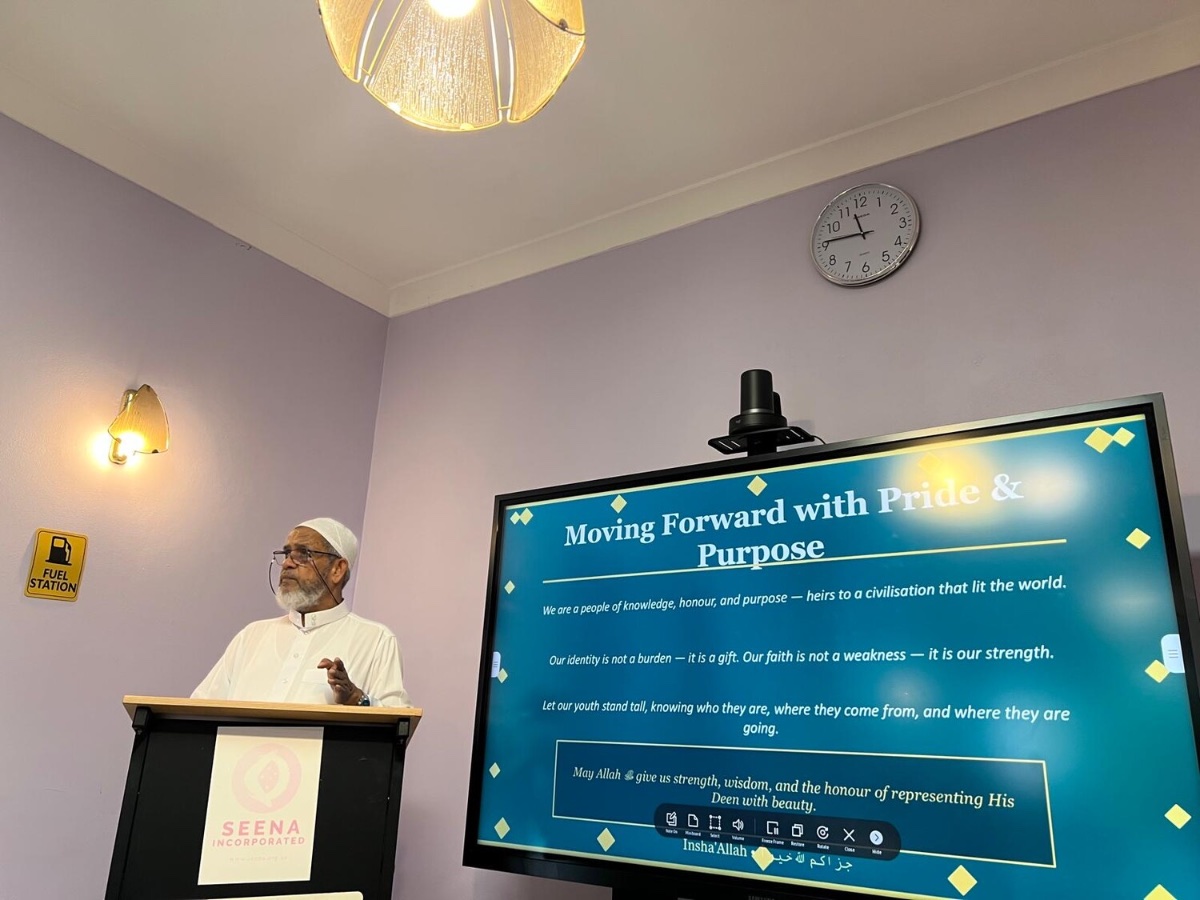
IFEW’s Family Usrah program is a weekly halaqa, alternating between Educational and Functional sessions. Held across each term, it brings men, women and children together in one consistent rhythm, giving every family a regular touchpoint to learn, connect and grow.
Family Usrah has met weekly since 1983, and is held on Sundays in Bonnyrigg NSW 2177, Australia.
Educational Usrah
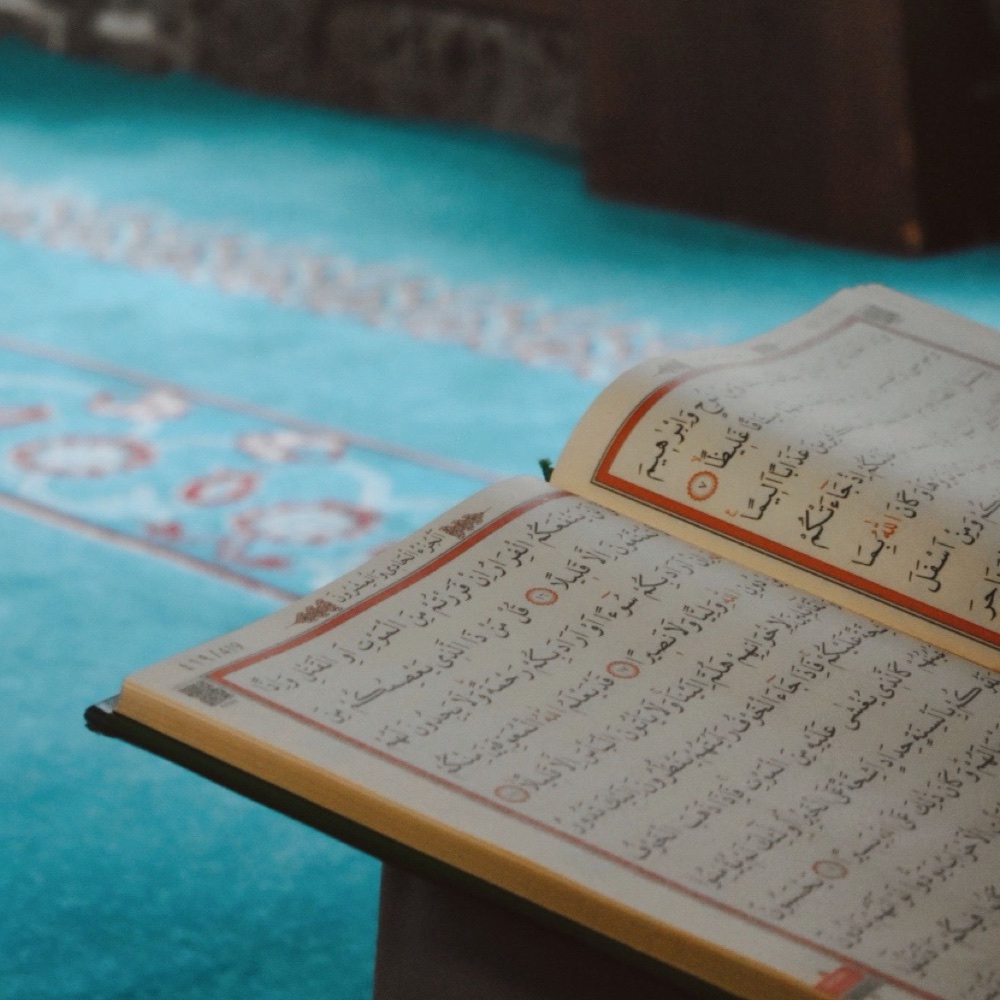
Educational Usrah is where the foundation is laid. Sessions work through Islamic knowledge in a structured way, building real, lasting understanding over time, with topics such as Tafsir, Seerah and current events. All levels of knowledge are welcome.
Sessions also include dua memorisation and group discussions on applying what’s learned to real life. Throughout the year, every member takes turns presenting, researching their topic and sharing that knowledge with the group, building public speaking skills along the way. Members are encouraged to share their ideas and opinions on topics for the future.
Functional Usrah takes learning off the page, turning knowledge into practical, everyday skill. It covers a range of formats:
Invitees Lunch connects members with outside organisations
Men’s, women’s and parents’ meetings offer a safe space to discuss current issues with a qualified facilitator
Health & Fitness runs separately for men and women, with qualified instructors for exercise workshops
IFEW Working Sessions to plan and run IFEW programs
MEFF Festco meetings to assist the Multicultural Eid Festival & Fair
Every session is shaped around what members actually need in daily life, tied back to living Islam with intention, not just theory.
Children & youth
Youth Usrah, a space of their own
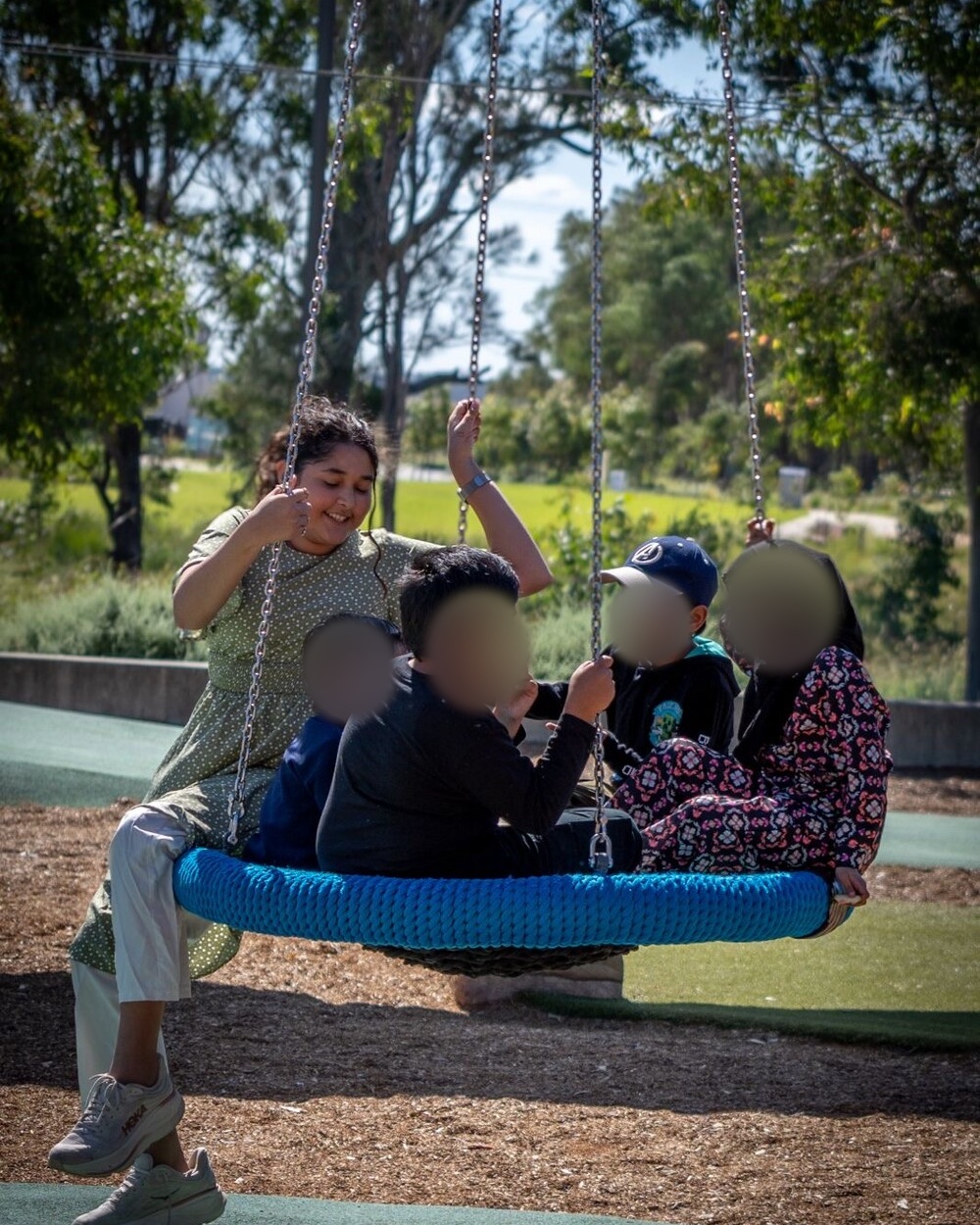
Every 2 weeks, Youth Usrah gives our young people a space of their own, with a teacher leading them through Islamic learning alongside fun activities like colouring, nasheed practice, and the occasional trip to a nearby park to stay active.
A moment with a big impact
At every Educational Usrah, one child is selected to present in front of all members: reciting a surah, giving a talk, or hosting a quiz, whatever they choose.
It’s a small moment that builds public speaking skills, confidence, and a real sense of connection to the community from a young age.
While we welcome all members to attend our Usrahs, we’re also planning to launch the IFEW Usrah Network, giving you the chance to host your own Usrah with family or friends, closer to home.
How it will work
IFEW supplies the timetable and topics and helps you plan your term
We all come together for socialisation and qiyamullail throughout the year
Each Usrah shares a term report at the AGC
The thinking behind the Usrah Network
Australian Muslims have built masjids, musallahs and Islamic schools, a major part of our infrastructure. What many families still want is a structured approach to Islamic learning, training and development among their own family, friends and peers.
Usrah is Arabic for “family”. In practice it means a family or peer group organised for the sake of learning and practising Islam, much like a study circle or halaqa. It has been practised in Egypt, Malaysia, South Asia and in Western countries including Australia. Family involvement works well because of the bonds of blood, culture and language.
IFEW’s experience points to a few things a successful Usrah needs:
Separate groups by age. Children’s Usrahs up to age 12, teenagers’ Usrahs from 12 to 18, and adult Usrahs for everyone else.
A language everyone can learn in. Ideally the language of the adopted country, the mother tongue and Arabic. As a first step, at least two groups: one at home in English and one in the home-country language.
A competent coordinator. Someone comfortable in both languages, with a basic knowledge of Islam and its practice today, who guides the Usrah and trains its organisers.
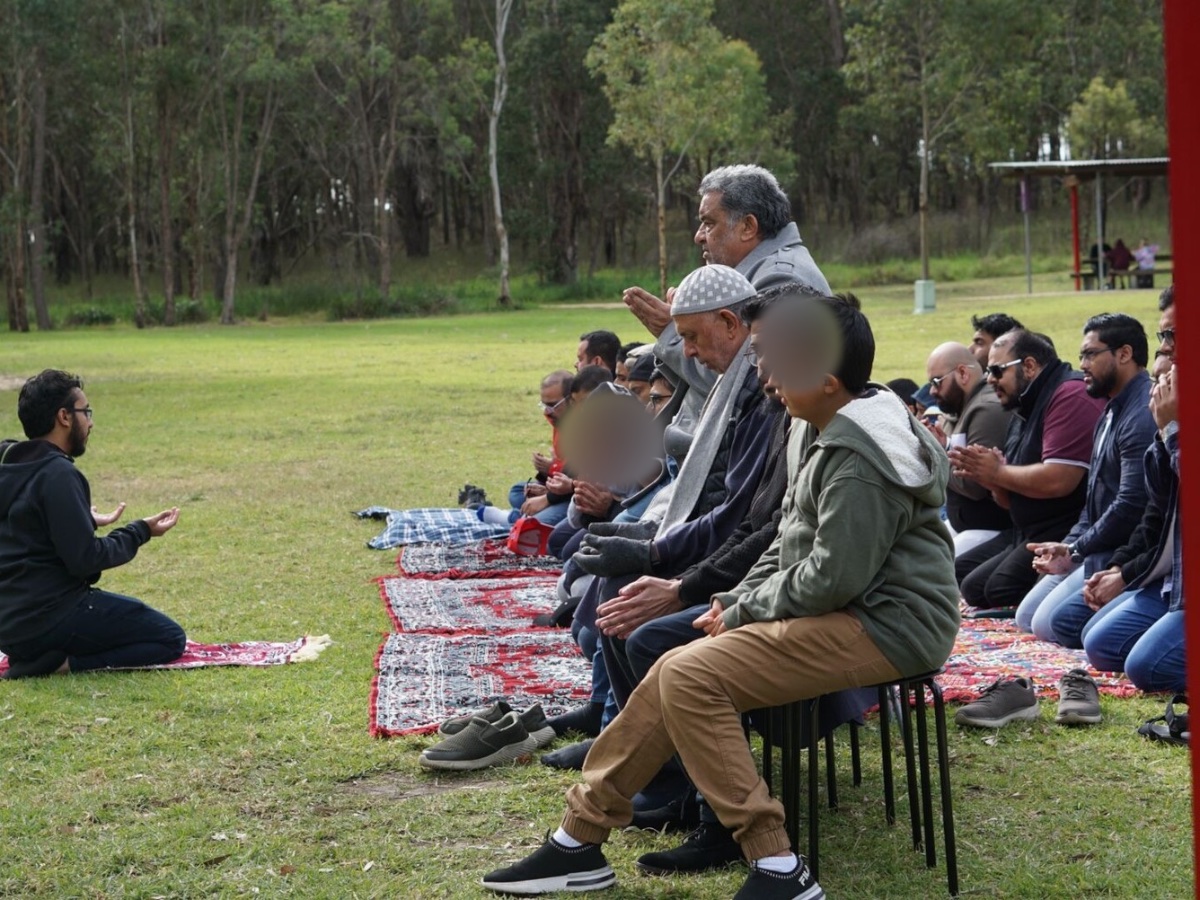
Three times a year, with one of them in Ramadan, the men of IFEW gather at a selected mosque. Isha is prayed together, followed by an important talk, before the group settles in to sleep at the mosque itself.
Before dawn, everyone rises together for Tahajjud and Fajr, closing the night in brotherhood and prayer. For many men, this night is where the habit of qiyamullail is formed for life.
Our sisters have their own qiyamullail, hosted in the warmth of a home rather than a mosque. The evening begins with a talk and a related activity, giving space for real reflection and connection.
A shared dinner follows, and members leave refreshed, reconnected and ready for the week ahead, proof that discipline and rest, faith and friendship, aren’t in competition with each other.
Social events
Islam is built at the table, too
Socialisation
Islam isn’t only built in formal sessions. IFEW’s socialisation events bring families together outside the classroom: shared meals, celebrations and casual gatherings where children play, adults reconnect, and the community feels like exactly that, one extended family.
These events matter because belonging matters. A community that only meets to study rarely stays close; one that also eats, laughs and celebrates together does.
Eid ul Adha
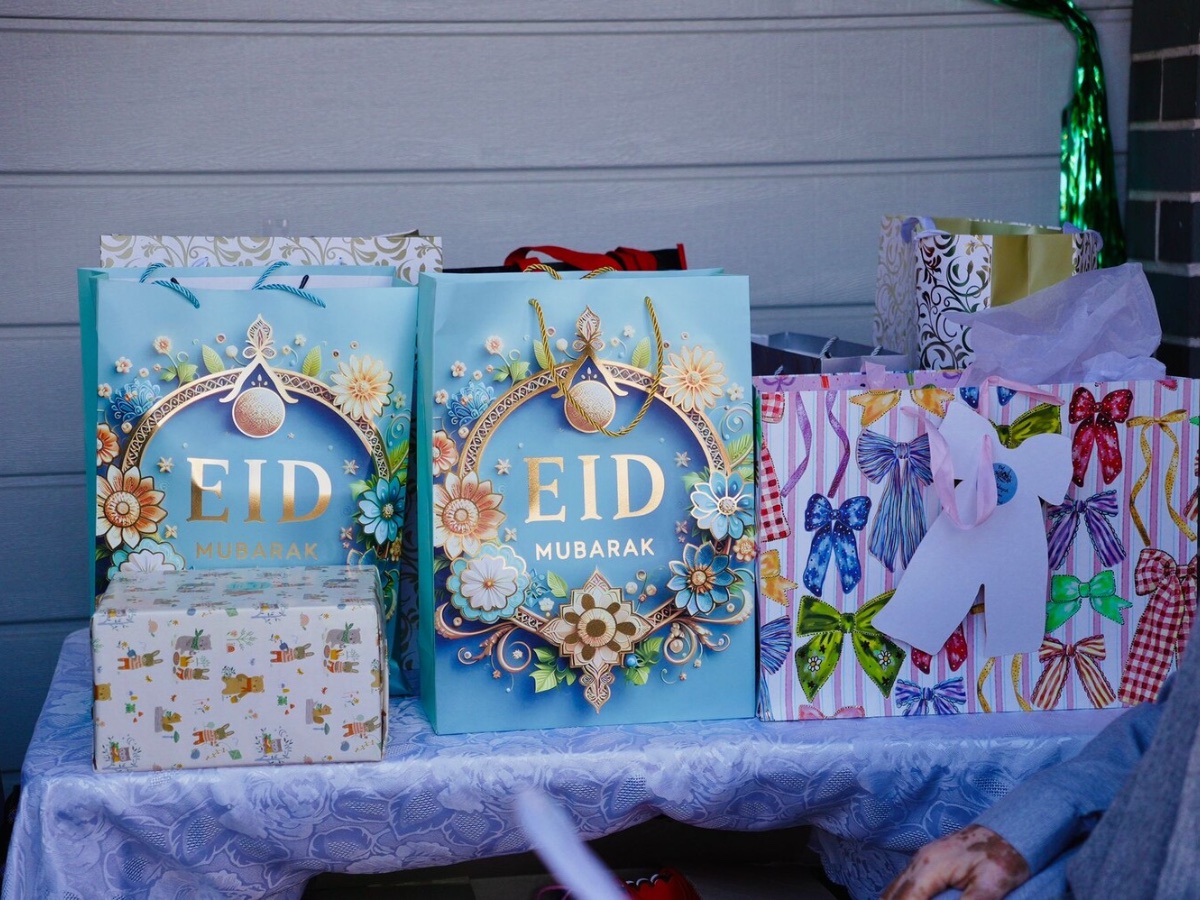
Every year, Eid ul Adha is celebrated together, as one family. Members gather at a host’s home on the day, bringing the same shared joy of Eid into one room. Parents bring gifts for their children, and each child recites a surah or performs a small activity before receiving theirs.
It’s a tradition built to keep Eid meaningful for the next generation, teaching children early that our greatest joys are tied to remembering Allah.
What started from within IFEW has grown into the Multicultural Eid Festival & Fair, a yearly celebration held in Sydney for over 40 years after Ramadan.
IFEW members are encouraged to volunteer at MEFF, giving their time and effort to serve the wider community, a reflection of Islam’s call to generosity and service beyond ourselves. Volunteering also builds real, hands-on event skills.
More than that, MEFF is a reminder of what our founding families set out to build: an open celebration of Eid that gives back to Sydney as much as it celebrates within our own community.
MEFF began in 1985 and is held on the Sunday after Eid ul Fitr. Today it is run by the Australian MEFF Consortium, a non-profit community organisation. Tens of thousands of people of every faith and background gather for cultural shows, rides for children, food stalls, books, DVDs, jewellery and clothing, all celebrating Eid in peace and harmony.
Once a year, our members come together for the Annual General Conference (AGC), a two-day program built around leadership, connection and the future of IFEW.
AGC is where the next generation learns to lead, not just attend. Young adults take on real responsibility, and the future of IFEW is shaped by the members who show up for it.
Over the two days, we
Open with a welcome and the IFEW anthem, bringing everyone together as one
Share yearly reports on life, school, work and family, and offer each other honest advice and support
Run workshops to build practical skills and shape future projects
Pray together as much as possible, keeping worship at the centre of it all
Workshop future projects and elect our Shura Council, the team that leads IFEW’s project management and leadership
Close with a formal photo session and a formal lunch
IFEW has taken on many projects over the decades. Here are some that are part of our story.
From 1986
Insight
A quarterly journal published by IFEW. Each issue took one theme and worked to clarify concepts and develop ideas relevant to operational Islam in contemporary society.
More about Insight
Funded by subscriptions and by IFEW, Insight had printed 32 issues by November 1996. Its May 1997 issue was the first to go online. Articles included Quranic reflections and book reviews on topics such as the hereafter, Islamic education in Australia and riba.
Founded 2004
Interfaith Youth Friendship Centre
Dedicated to better understanding among Australians, by bringing young people of all faiths together to appreciate each other’s religions in a fun and exciting way.
More about the Centre
In 2006 the Centre ran many activities, including events for Harmony Day and workshops. A key outcome was the Reflections Manual, which recorded the interaction between the young people and the key messages for the religions, communities and organisations involved.
Launched 2011
IFEW Weekend School
Quranic Arabic and Integral Studies: an approach to teaching children Islam through integral learning and Quranic Arabic.
What children learned
Quranic Arabic: the meaning of the language, reading, writing and understanding
Quran memorisation: learning surahs and their meanings
Integral learning: particular thoughts, sources, morals and behaviour
Islamic applications: Deen, history, morals and manners, hadith
From around 1998
Islamic Planner Calendar
An annual double-sided wall planner with Islamic and public holidays and a mosque directory, distributed free through mosques in Sydney and Canberra.
What was inside
A full-year calendar with Islamic dates, and a weekly prayer timetable
A Muslim business and service directory, hotline numbers and highlights of special Islamic events
About 6,000 copies, around 550mm × 420mm in full colour
Its aims were to strengthen Muslim business circles, develop communication between Muslims, and share information on Islamic dates and events.
Ready to start?
Join us at the next Usrah.
Become a member, or get in touch and come along to see for yourself.