1930
Born in India
Qazi Ashfaq Ahmad was born on 12 December 1930 into a middle-class landlord family in Eastern Uttar Pradesh, North India. His father was a lawyer and his mother was a housewife.
A founder of IFEW
Engineer, academic, community builder and Quranic scholar. A tireless worker whose passion in life was the application of Islam in everyday life.
His life in brief
Dr Qazi Ashfaq Ahmad was by profession a retired engineer and academic, with his major qualifications from Aligarh Muslim University in India, the University of Wisconsin in the USA and the University of Sydney in Australia.
His great passion in life, for most of his life, was the application of Islam in the daily life of mankind, both for Muslims and for people of other faiths and beliefs.
A tireless community worker, he founded the Australian Federation of Islamic Councils (AFIC), the Islamic Foundation for Education and Welfare (IFEW), the Multicultural Eid Festival & Fair (MEFF) and many other community organisations and institutions. He was also very active in the interfaith community in Australia and internationally, in India, Malaysia, the UK, the USA and Saudi Arabia.
His story
1930
Qazi Ashfaq Ahmad was born on 12 December 1930 into a middle-class landlord family in Eastern Uttar Pradesh, North India. His father was a lawyer and his mother was a housewife.
1934
His father died when he was two years old, and his mother when he was four. He and his only elder sister, Akhtar Bano, grew up with their grandfather and aunt in Mohammadabad Gohna, Azamgarh.
1939–47
He belonged to the Sheikhain family of Farooquis, Siddiquis and Abbasis, of Arab ancestral origin and from Ghazipur, UP, with generations in the legal profession: qazis in the Mughal empire, then judges and lawyers during the British Raj.
The great political upheaval of the Second World War motivated him to join India’s struggle for freedom from Britain. He met and worked with Mahatma Gandhi, Mohammad Ali Jinnah, Maulana Abul Kalam Azad, the first education minister of India, and Dr Zakir Hussain, later President of India.
1949
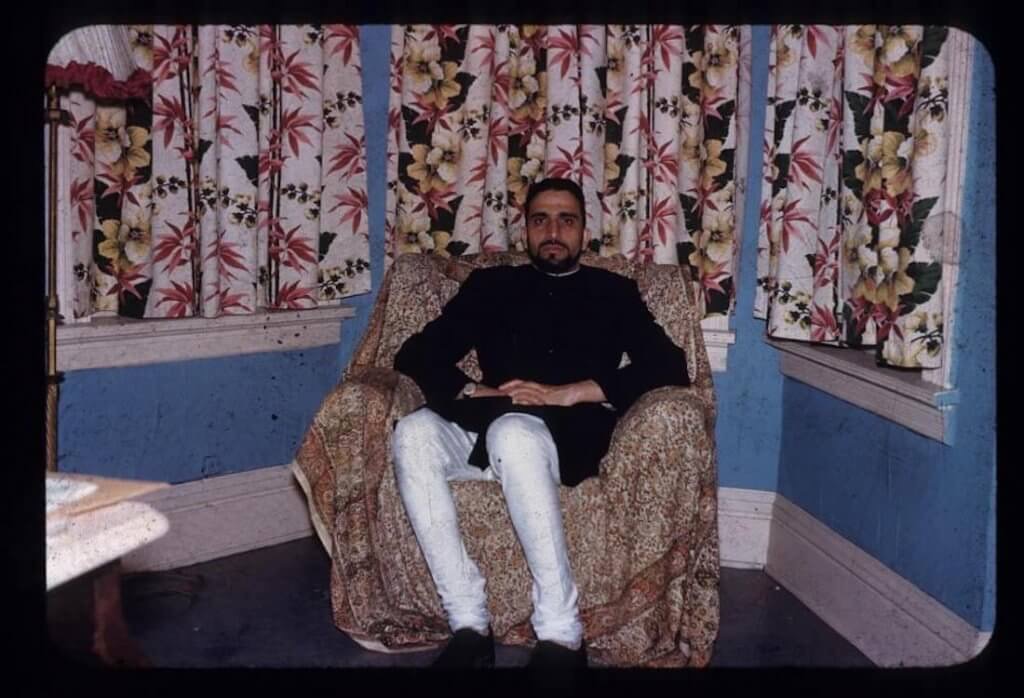
In the final year of his engineering degree he decided to turn back to Islam and joined an Islamic movement, Jamaat-e-Islami Hind, founded by the scholar Abul A’la Maududi. Six years later he became its Ameer (President) at Aligarh Muslim University, from 1955 to 1959.
1950
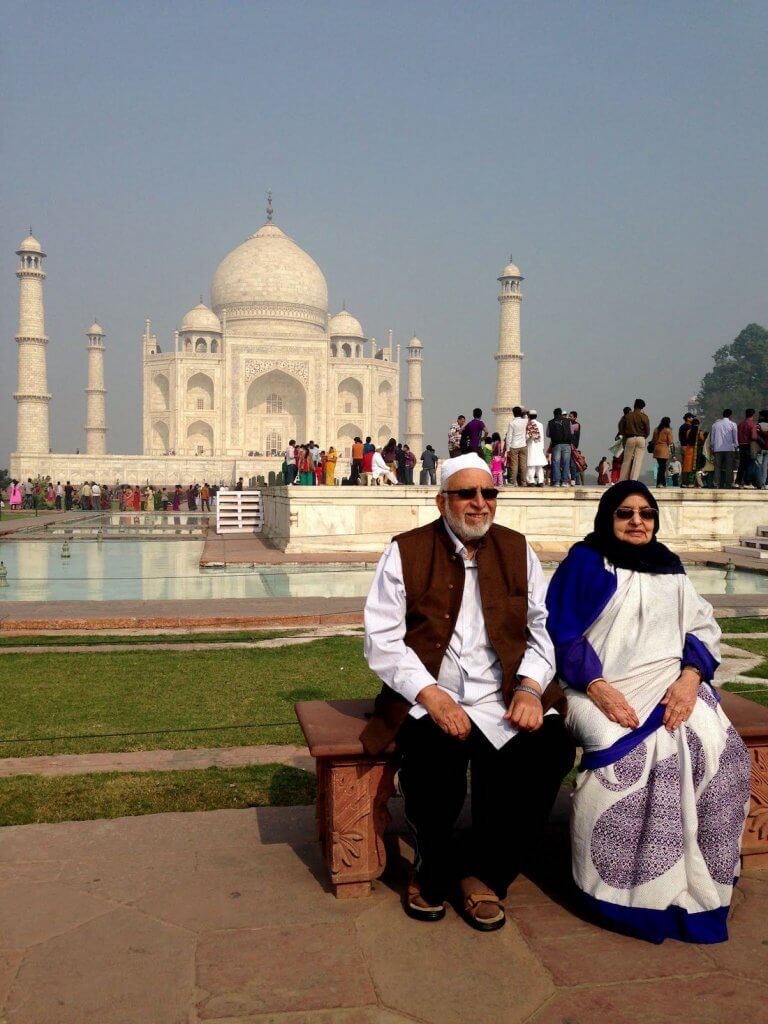
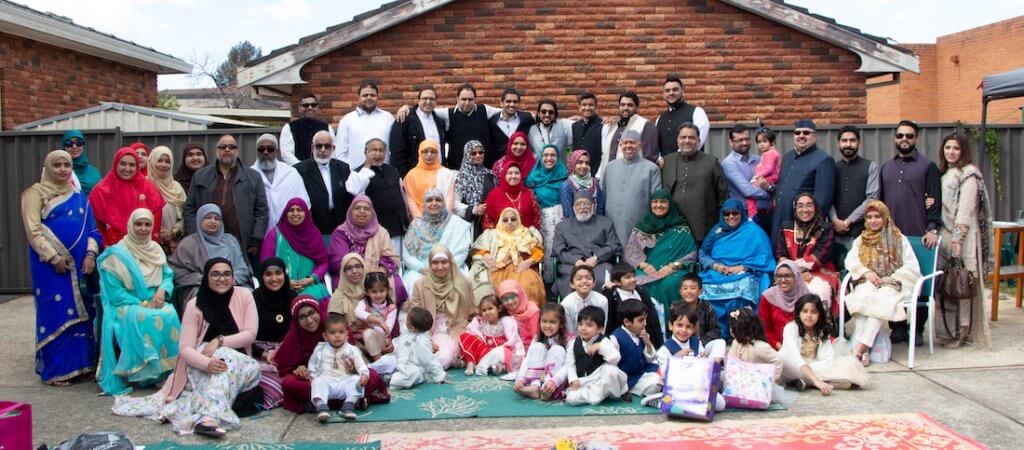
He married his best friend’s sister, Jamal Ara. They had six children, and this pivotal event made him the serving leader of a multi-generational family network of over 80 people, keeping five decades of tradition alive.
1955–58
He was a Lecturer in Engineering at Aligarh Muslim University from 1955 to 1958, then Senior Lecturer at Jamia Millia Islamia in New Delhi, from 1958 to 1961.
1959
He moved to the United States for a year to complete a Master’s in Engineering at the University of Wisconsin. He was a founding member of the Muslim Students’ Association of the USA and Canada, from 1959 to 1983.
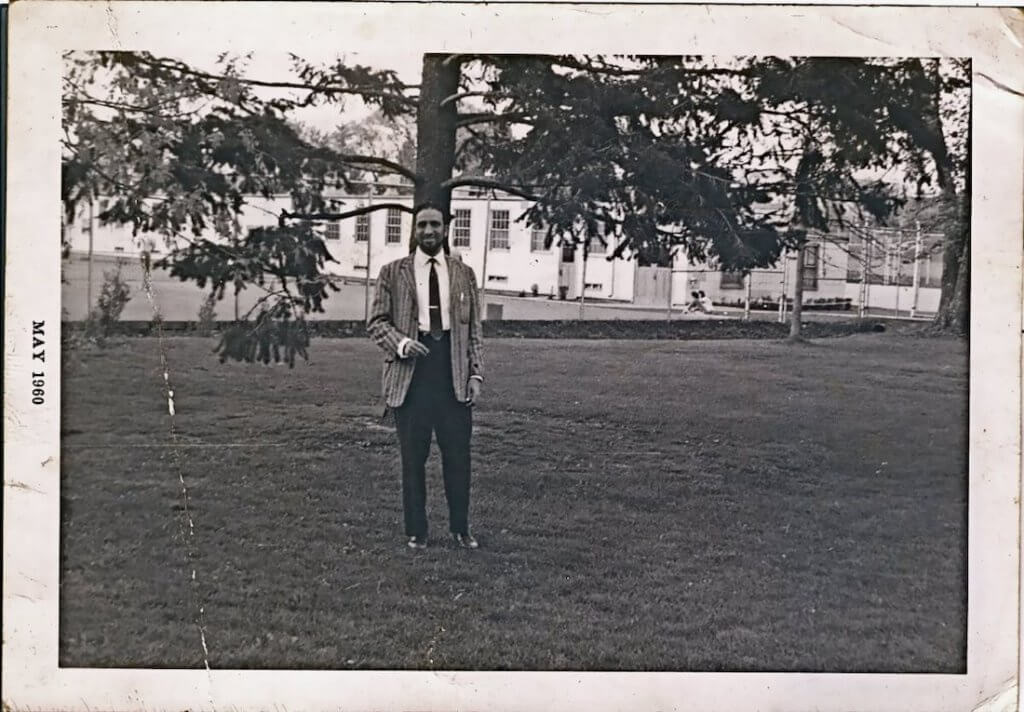
1960
He had been raised by his grandfather, a retired judge, who passed away in 1960 at the age of 103. His only elder relative and role model, who had cared for him as an orphan, died when Dr Ahmad was 30 years old.
1961
He served as Head of the Department of Mechanical Engineering and acting Principal at the Regional Engineering College in Srinagar, Kashmir, an influential position.
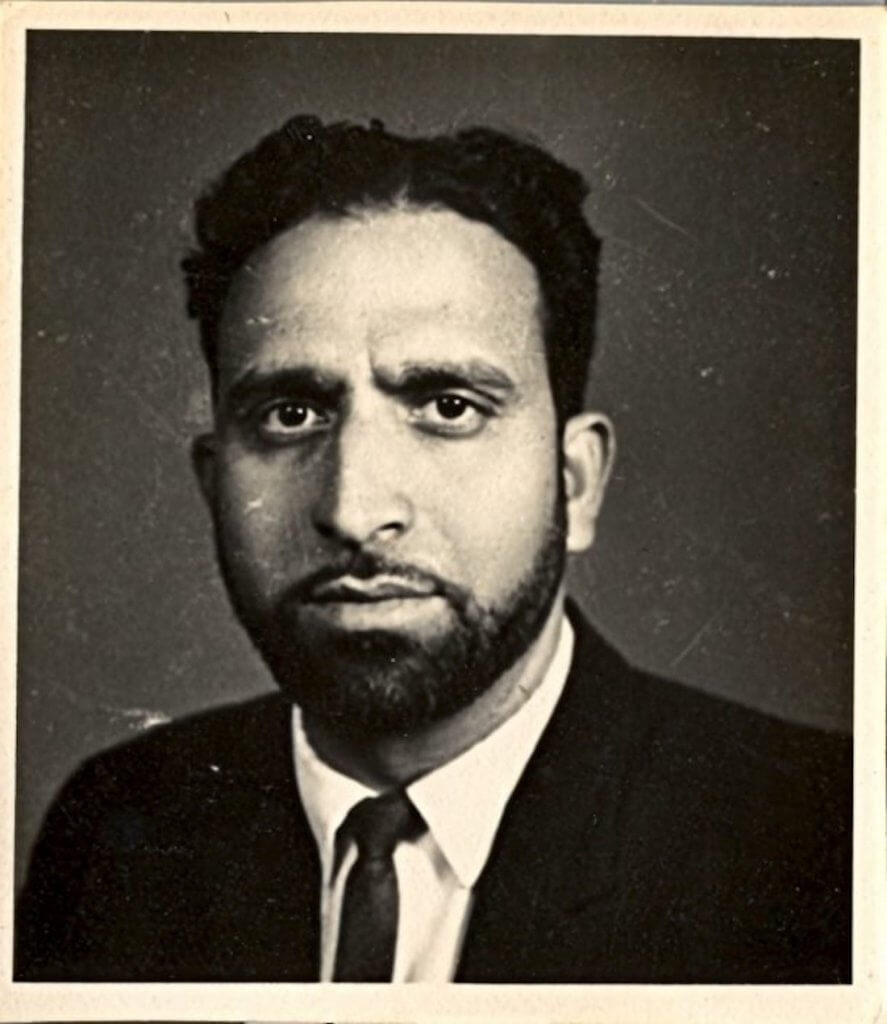
1969
Because of political interference between India and Pakistan over Kashmir, he was suddenly terminated from his job in 1969 and threatened with anti-national charges. He had to leave his home and country, with his wife and six children, for an unknown new land: Australia.
1971
He arrived in Australia to do his PhD at the University of Sydney. He did not know much about the country, but was amazed at how well Australians treated him and came to love Australia, developing great friendships. He decided to burn his boats and settle in the “lucky country”, and became a citizen in 1973 together with his family.
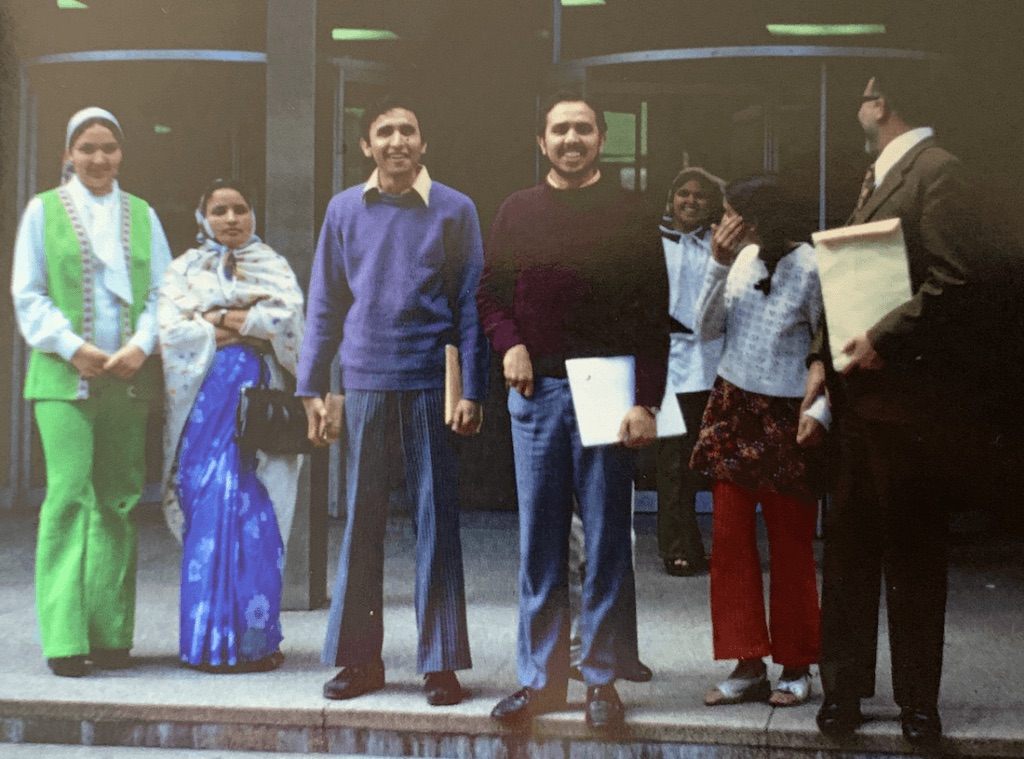
1972–77
With like-minded people he helped establish the foundations of Muslim community life in Australia: Founding Secretary of the Australian Islamic Mission (1972), Founding President of the Sydney University Muslim Students Association (1972 to 1974), a founder of the Council of Islamic Affairs NSW (1974 to 1976) and Founding President of the Australian Federation of Islamic Councils (AFIC), then called Muslims Australia (1976 to 1977).
1978
He, his wife and two daughters lived in Lae, Papua New Guinea, from 1978 to 1983. He served as Associate Professor of Mechanical Engineering and established Muslim community organisations and institutions there.
1983
With a growing extended family, he founded a weekly study circle called Usrah, and the Australasian Integrated Family (AIF), later named the Islamic Foundation for Education & Welfare (IFEW). Both continue to this day.
1985
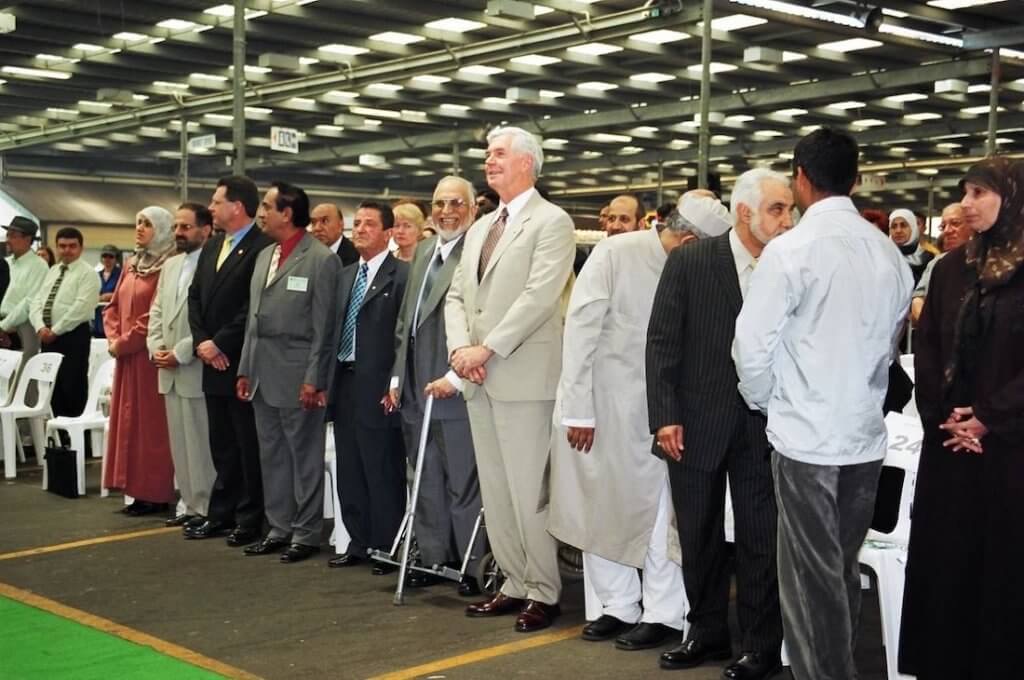
He noticed that Eid was only celebrated in people’s private homes. Back in his home country, Eid was celebrated in large gatherings and festivals, and he wanted the same feeling of celebration with his friends and family. That wish grew into MEFF, now held for over 40 years.
1986
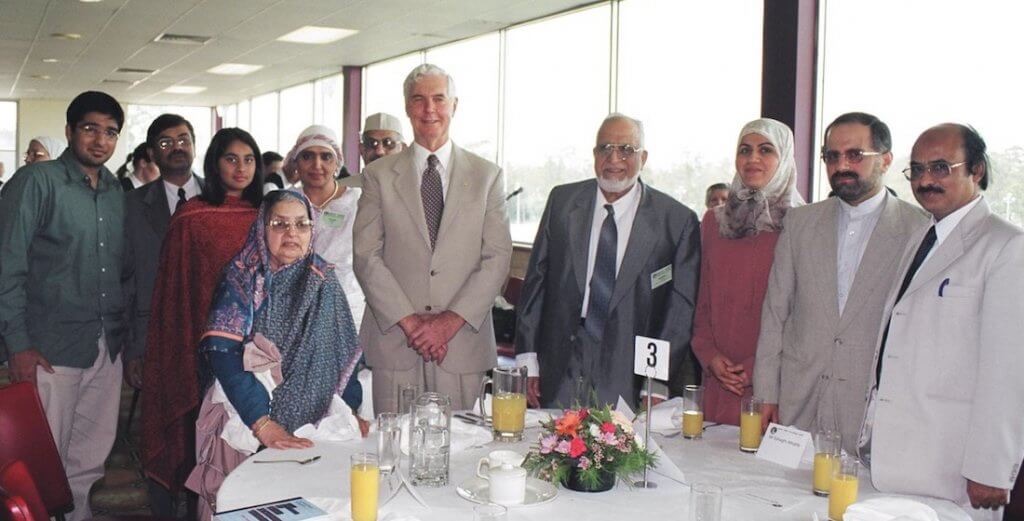
He became founder and patron of the Islamic Foundation for Education and Welfare, and chief editor of Insight, IFEW’s quarterly journal of concepts and ideas.
1991
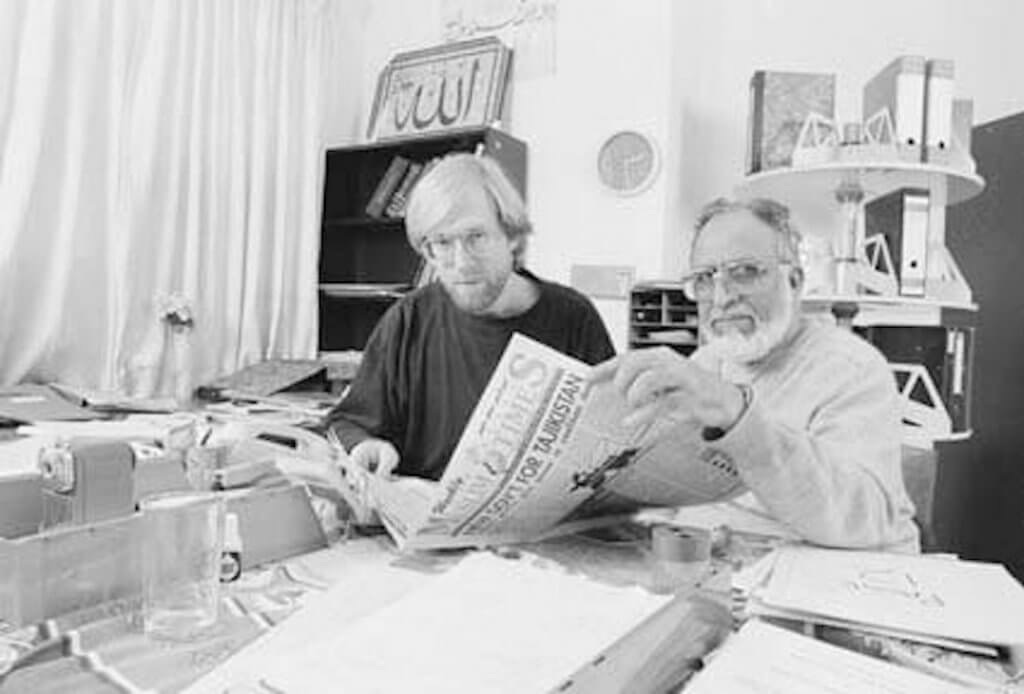
He co-founded the first multilingual, high-quality Australasian Muslim Times newspaper in 1991. After a break of two decades his eldest son restarted it.
2004
He founded the Interfaith Youth Friendship Centre, bringing young people of different faiths together in friendship.
2010s
From the 2010s right up until his death, Dr Ahmad attended every Usrah and gave a talk at IFEW’s Usrahs every fortnight. When COVID kept everyone at home, he did not stop: he delivered his talks online. The study circle he began in 1983 stayed at the heart of his life until the end.
2014
He became Chief Advisor of the Australasian Muslim Times (AMUST), and contributed to the newspaper until his final days.
2020
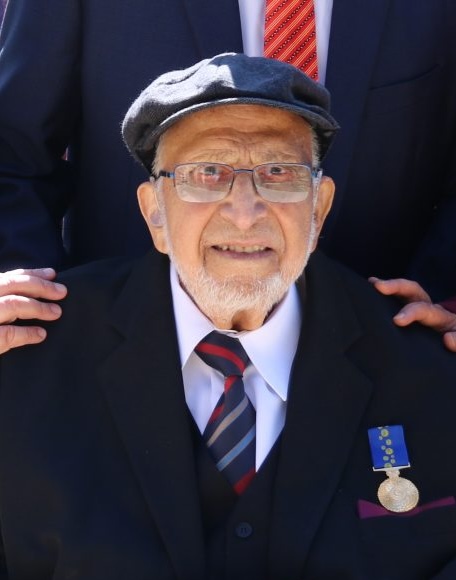
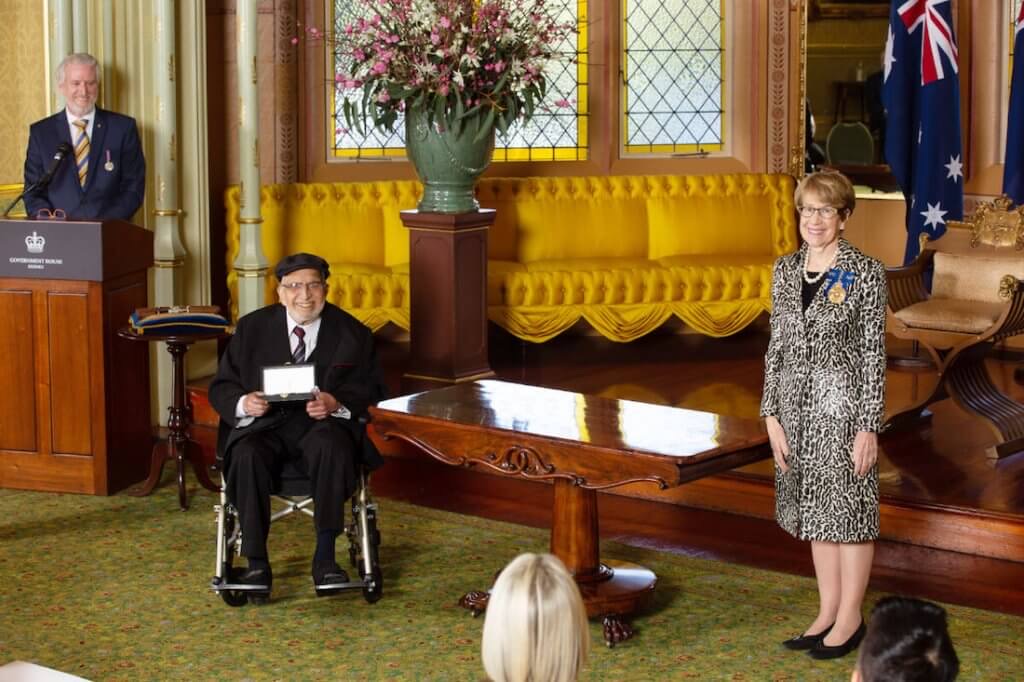
At the age of 90, Dr Ahmad received his Medal of the Order of Australia from the Governor of NSW, Her Excellency the Honourable Margaret Beazley AC QC, on Tuesday 8 September 2020 at Government House in Sydney. The award had been announced on 26 January, and the ceremony was delayed by the pandemic.
2022
He continued to attend and teach at the Usrah until the end. On 10 February 2022, at the age of 91, Dr Qazi Ashfaq Ahmad OAM passed away in the presence of his eldest son, reciting a poem from his childhood by Allama Iqbal.
His memory and legacy are kept alive through the thriving organisations he started, his books and publications, his pioneering ideas and events, his reputation as a dedicated Australian Muslim, his friends, networks, multicultural and interfaith contacts, and over 80 family members: children, grandchildren and great-grandchildren.
1972 to 2006
In his own words
This is a value that I sought to instil in my family – that while excelling in their profession is important, they aren’t complete without the free time, effort, and money they contribute for the betterment of the community.
Community-based ventures can’t survive without the passion and dedication that volunteers bring.
When I came to Australia to do my PhD at the University of Sydney, I was overwhelmed by the support and friendship shown to me by Australians. I knew very early that Australia would be our new home.
Legacy
Dr Ahmad’s memory is kept alive through the organisations he started, among them IFEW, the Multicultural Eid Festival & Fair and the Australasian Muslim Times. It lives on in his books and publications, his pioneering ideas and events, his multicultural and interfaith friendships, and in a family of over 80.
We thank Allah for bringing this soul to earth and for giving him a long life in which he made such an incredible impact. May Allah have mercy on him. Indeed, we belong to Allah, and to Him we shall return.
Over fifty years of Dr Ahmad’s research, discussions, publications and community work were gathered under the name Tafkeer, which means “thinking” in Arabic: a home for those who think, ponder and reflect, and a way to share that experience with the world.
Charles Sturt University is undertaking the Dr Qazi Ashfaq Ahmad Biography Project, which aims to document his contribution to society throughout his life. For more information, contact info@amust.com.au.
This page draws on two articles from the Australasian Muslim Times (AMUST): Significant Timeline of Dr Qazi Ashfaq Ahmad OAM (March 2022) and Dr Qazi Ashfaq Ahmad: One of Australia’s most honoured Muslim (September 2020). Photographs courtesy of AMUST.
Carrying it on
Every Sunday, IFEW’s Family Usrah continues the study circle he started. Come and join us.